Understanding Runner’s Knee: A Strategic Guide to Patellofemoral Pain
An expert breakdown of Patellofemoral Pain Syndrome: how to identify, treat, and prevent 'runner's knee' to maintain athletic longevity.
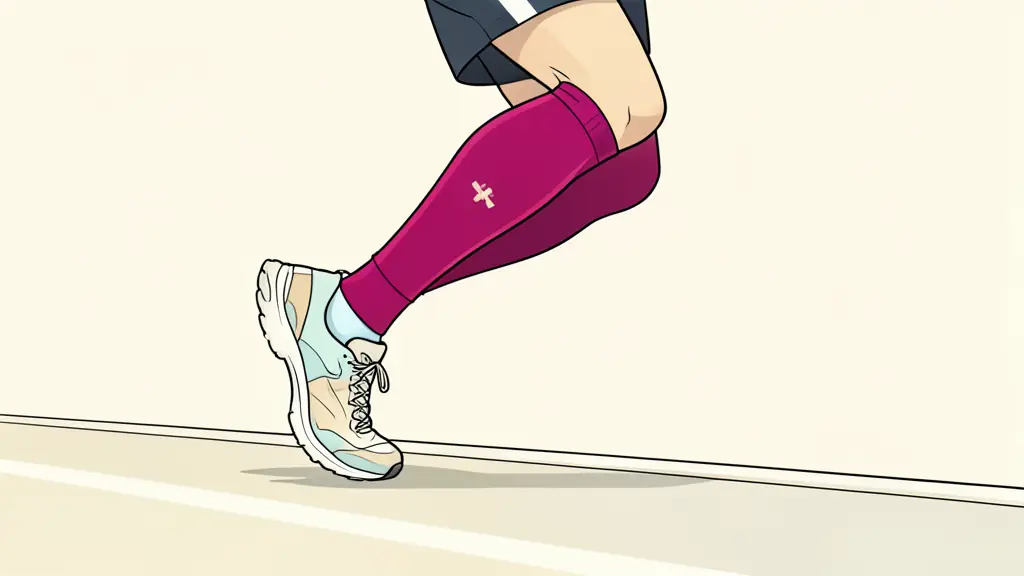
Runner’s knee, clinically known as Patellofemoral Pain Syndrome, is a condition characterized by anterior knee pain resulting from the misalignment of the patella as it slides against the femur. While associated with high-impact athletics, it is a biomechanical failure that can affect any individual, regardless of their activity level.
No time to read?
- Runner’s knee is medically known as Patellofemoral Pain Syndrome (PFPS).
- It is caused by the misalignment or wear of the kneecap against the femur.
- Pain typically spikes during stairs, squatting, or after prolonged sitting.
- It affects a wide range of people, not just runners, including women and non-athletes.
- Recovery focuses on muscle balance and load management rather than just rest.
What is Runner’s Knee? The Medical Reality
To understand what is runner’s knee, one must look past the colloquial name. The condition is formally identified as Patellofemoral Pain Syndrome (PFPS). It occurs when the patella (the kneecap) does not track smoothly within the femoral groove, leading to irritation of the joint and the surrounding soft tissues.
Despite the name, this syndrome is not exclusive to runners. It is an overuse injury that frequently affects sedentary individuals, weightlifters, and athletes in various disciplines. The core issue is not the act of running itself, but the cumulative stress placed on the patellofemoral joint when the body’s alignment or muscular support fails to distribute load efficiently.
The Biomechanics of Patellar Misalignment
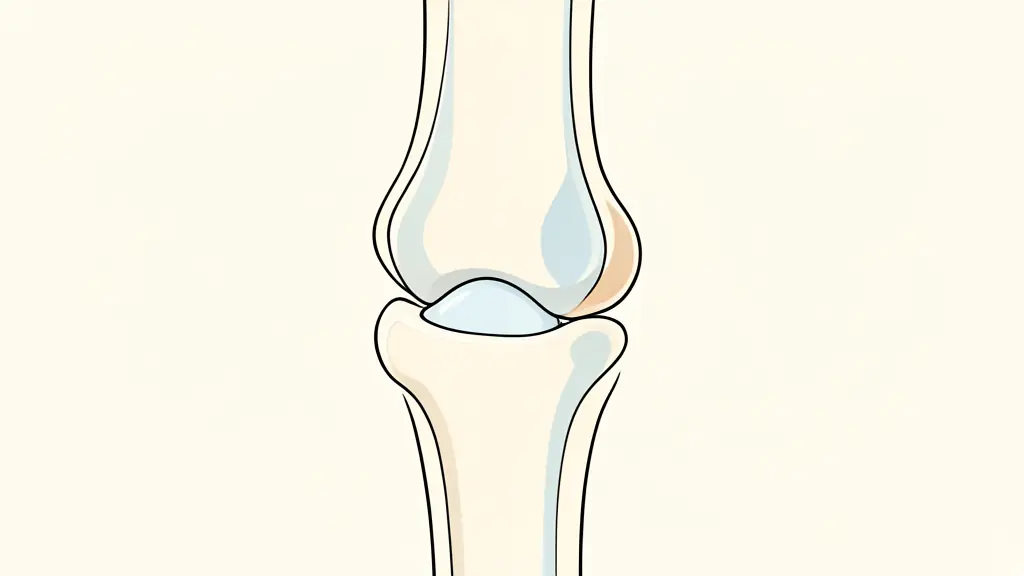
The knee joint functions as a complex hinge, where the patella acts as a mechanical pulley to increase the leverage of the quadriceps. In a healthy joint, the patella glides vertically along the femur during flexion and extension. This smooth motion is facilitated by articular cartilage, a low-friction surface that prevents bone-on-bone contact.
When the patella deviates from this intended path, a condition known as patellar maltracking occurs. This misalignment creates localized pressure points, leading to friction and the eventual degradation of the cartilage. In severe cases, this progresses to chondromalacia patellae, where the cartilage softens and breaks down. Because cartilage lacks a robust blood supply, it cannot self-repair easily once worn down, making early PFPS treatment a strategic necessity to avoid permanent joint degeneration.
Symptom Identification: Beyond the Ache
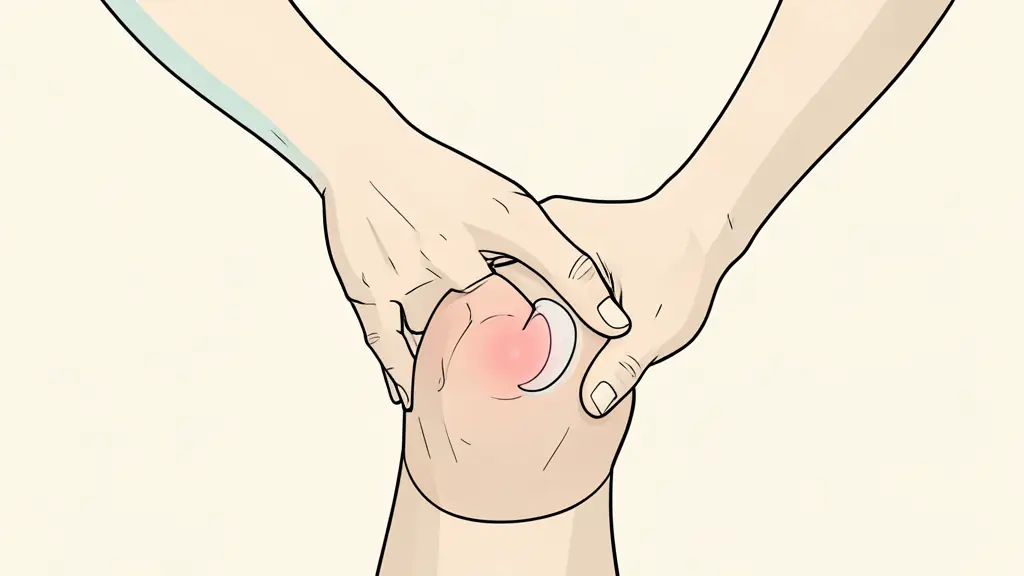
Identifying PFPS requires distinguishing it from acute trauma. The pain is typically described as a dull, aching sensation located behind or around the kneecap. Unlike a sharp ligament tear, this discomfort is progressive and often linked to specific load-bearing activities.
Key diagnostic markers include:
* The Theater Sign: Pain or stiffness that occurs after prolonged sitting with knees bent, common during long flights or cinema visits.
* Load-Based Triggers: Increased discomfort when descending stairs, squatting, or rising from a chair.
* Auditory Cues: Popping, clicking, or a grinding sensation (crepitus) during movement, which often signals knee cartilage wear.
* Physical Tenderness: Sensitivity felt along the inner border of the patella.
* Post-Activity Inflammation: Mild swelling that appears after a training session or a long day of walking.
Risk Factors and Root Causes
The onset of PFPS is rarely the result of a single event; it is typically the culmination of structural vulnerabilities and training errors. Biomechanical failures often begin far from the knee itself.
Structural and biomechanical drivers include:
* Muscle Imbalance: Weakness in the gluteus medius and quadriceps leads to poor patellar tracking, as the kneecap is pulled laterally rather than sliding centrally.
* Q-Angle Variations: A wider angle between the hip and the knee (more common in women) increases the lateral pull on the patella.
* Foot Mechanics: Flat feet (overpronation) cause internal rotation of the tibia, which alters the alignment of the entire kinetic chain.
* Training Volatility: Sudden spikes in mileage or intensity that exceed the joint’s current adaptive capacity.
Women and young athletes are statistically more susceptible due to anatomical differences in pelvic width and the rapid growth phases of adolescence, which can create temporary imbalances between muscle length and bone growth.
Differential Diagnosis: Is it Actually Runner’s Knee?
For a professional athlete, misdiagnosing the source of anterior knee pain leads to wasted recovery time. PFPS must be distinguished from other common pathologies through precise symptom mapping.
| Condition | Primary Pain Location | Key Trigger | Distinguishing Feature |
|---|---|---|---|
| PFPS (Runner’s Knee) | Peripatellar (Around kneecap) | Stairs, prolonged sitting | Dull ache, grinding sound |
| Jumper’s Knee | Inferior to patella (Tendon) | Explosive jumping | Sharp pain at the patellar tendon |
| IT Band Syndrome | Lateral aspect (Outside knee) | Repetitive flexion/extension | Sharp pain on the outer knee joint |
| Meniscus Tear | Joint line (Medial or Lateral) | Twisting or pivoting | Locking, clicking, significant swelling |
Correct identification is the first step in knee injury prevention, ensuring that the rehabilitation protocol targets the root cause rather than masking the symptoms.
The Recovery Protocol: From RICE to Rehabilitation
Recovery must be tiered, moving from acute symptom management to long-term structural reinforcement. Conservative treatment is always the primary objective, as surgical intervention is rare and reserved only for severe cartilage removal or anatomical realignment.
The phased approach includes:
* Immediate Response (RICE): Implementing the RICE protocol (Rest, Ice, Compression, Elevation). Ice should be applied for 15 minutes every three or four hours to manage inflammation.
* Pharmacological Support: Use of non-steroidal anti-inflammatory medications, such as ibuprofen or aspirin, to reduce swelling.
* Stabilization: Utilizing knee braces or sleeves to improve the sensation of stability and support the patella.
* Physical Therapy: A focused regimen of muscle strengthening (targeting the quadriceps and glutes) and stretching the hamstrings to reduce tension on the joint.
Professional Thresholds: When to See a Specialist
While home care is effective for mild PFPS, certain red flags indicate the need for a clinical diagnosis via X-ray or MRI. Ignoring these markers can lead to chronic joint instability.
Consult an orthopedic specialist if you experience:
* Weight-Bearing Failure: An inability to put weight on the leg or a feeling that the knee is « giving out. »
* Significant Effusion: Noticeable swelling or redness around the joint that does not respond to RICE.
* Persistent Dysfunction: Pain that remains constant despite structured rest and a reduction in training volume.
* Mechanical Locking: The inability to fully extend or flex the knee.
Prevention Framework for Long-Term Longevity
Eliminating the risk of recurrence requires a shift from reactive treatment to proactive optimization. The goal is to maintain a musculoskeletal environment where the patella can track effortlessly.
Strategic prevention involves:
1. Footwear Optimization: Utilizing shoes that correct overpronation to ensure a neutral alignment from the ground up.
2. Gradual Load Management: Avoiding sudden increases in training volume; adhere to a progressive loading scale to allow cartilage and tendons to adapt.
3. Neuromuscular Warm-ups: Implementing dynamic stretches and activation drills for the hips and core before high-impact activity.
By integrating injury prevention into the 7 pillars of performance, athletes can ensure that their physical output does not compromise their joint integrity. Consistency in strength training, particularly for the posterior chain, remains the most effective hedge against the return of patellofemoral pain.
FAQ
Can runner’s knee go away on its own?
While pain may subside with rest, the underlying biomechanical cause (like muscle imbalance) often remains. Without corrective exercise, the condition is likely to recur when activity levels increase.
How long does runner’s knee take to heal?
Recovery timelines vary based on severity, but most athletes see significant improvement within 4 to 12 weeks of a structured physical therapy program focusing on hip and quad strength.
Which doctor should I see for runner’s knee?
An orthopedic specialist or a sports medicine physician is ideal for diagnosis, while a Doctor of Physical Therapy (DPT) is the primary provider for the rehabilitation process.
Envie d'aller plus loin ?
Laisse ton email, on te prévient dès qu'un nouvel article sort.