The High-Performance Manager Job Description: A Strategic Blueprint
A professional framework to build a manager job description that eliminates role ambiguity and drives measurable business results.

Most manager job descriptions fail because they confuse « what needs to be done » (responsibility) with « what the manager is allowed to decide » (authority). This ambiguity creates decision bottlenecks, employee frustration, and operational stagnation. To build a high-performance organization, you must separate the task from the power to execute it.
No time to read?
- Responsibility is the obligation to act; Authority is the right to decide.
- Effective descriptions prioritize measurable KPIs over vague lists of duties.
- Customization must account for the ‘span of control’ (number of direct reports).
- The first 90 days should have defined, tangible deliverables to validate the hire.
The Manager Job Description Blueprint: Core Architecture
A high-performance manager job description is not a list of chores; it is a strategic bridge between executive vision and frontline execution. When a role profile lacks structural clarity, the resulting friction slows down the entire organization. To avoid this, the architecture must first define the reporting lines (who the manager answers to) and the span of control (how many direct reports they oversee).
The primary objective of the role must be articulated as a value-driver. Whether the goal is increasing revenue, optimizing output, or maintaining safety, the role’s purpose should be tied to specific business objectives. This foundation allows for the precise mapping of manager responsibilities, ensuring that every task assigned to the role serves a broader strategic purpose rather than filling a gap in the organizational chart.
Operational Responsibilities vs. Strategic Duties
Efficiency is lost when a manager spends 90% of their bandwidth on operational maintenance, leaving no room for strategic growth. A rigorous role profile must distinguish between daily tactical requirements and high-impact leadership duties.
Operational Responsibilities
These are the « keep-the-lights-on » tasks. They are repetitive, necessary, and focused on short-term stability:
* Team Supervision: Coordinating daily workflows, managing shift schedules, and ensuring staffing levels are optimized for workload.
* Compliance and Safety: Enforcing company policies, regulatory standards, and sanitation or safety protocols.
* Resource Allocation: Managing inventory, overseeing cash registers, and coordinating the use of project management tools or CRM systems.
* Customer Service: Handling immediate complaint resolution and de-escalating frontline conflicts.
Strategic Duties
These are the « levers of scale » that improve the organization over time:
* Performance Coaching: Moving beyond supervision to active mentoring and the development of employee skill sets.
* Process Improvement: Analyzing operational metrics to identify bottlenecks and implementing change management strategies.
* Budget Oversight: Forecasting needs and managing financial planning to optimize resource use.
* Workforce Planning: Developing succession planning and identifying talent gaps to ensure long-term stability.
To prevent burnout and operational drift, the organization should implement a management authority matrix to determine how much time is allocated to each category.
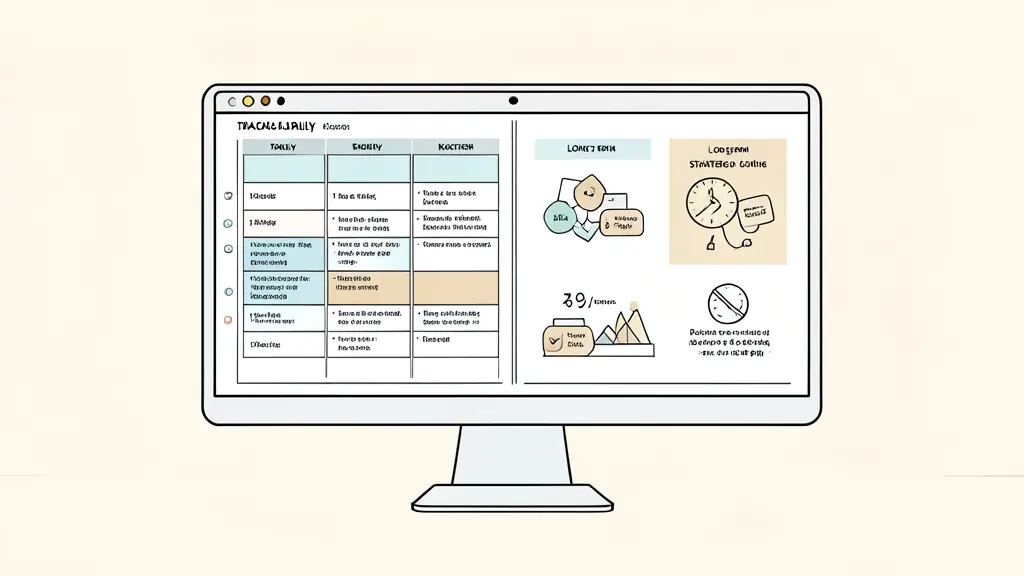
Defining the Authority Matrix: The Decision-Making Layer
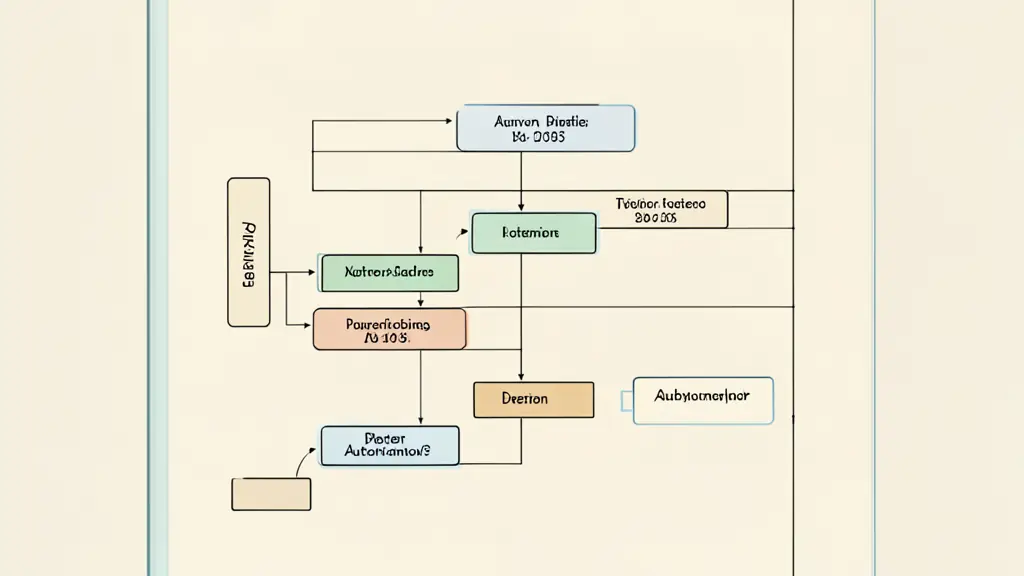
Responsibility without authority is a recipe for failure. If a manager is responsible for « employee engagement » but cannot approve a training budget or adjust a schedule, they are a supervisor in name only. A strategic blueprint must explicitly define the decision-making layer.
Independent Decision Authority
The manager can execute these actions without prior approval:
* Tactical Adjustments: Modifying shift patterns or reallocating tasks among direct reports.
* Low-Level Spending: Approving expenses within a pre-defined monthly budget.
* Conflict Resolution: Settling interpersonal disputes between staff members.
Escalation Requirements
These actions require consultation with senior leadership or People Operations:
* Personnel Changes: Final decisions on hiring, promotions, or termination evaluations.
* Budgetary Pivots: Requesting additional funding or shifting resources between major project categories.
* Policy Shifts: Altering established company protocols or safety standards.
Defining these boundaries is a core part of the leadership qualifications required for the role, as it tests the manager’s ability to operate within a structured hierarchy while knowing when to escalate risks.
The High-Performance Qualification Stack
Elite management requires a blend of technical proficiency and psychological resilience. A « years of experience » metric is a starting point, but it does not guarantee the ability to lead a high-output team.
Hard Skills and Technical Proficiency
- Financial Literacy: Ability to manage P&L, oversee budget allocation, and interpret operational reports.
- Systems Mastery: Proficiency in HRIS (Human Resources Information Systems), CRM software, and the Microsoft Office Suite.
- Performance Management: Experience designing and executing a performance improvement plan (PIP) to close employee performance gaps.
Soft Skills and Cognitive Ability
- Conflict Resolution: The capacity to navigate high-tension environments and maintain team safety.
- Emotional Intelligence: Skill in coaching and mentoring diverse personalities to drive employee engagement.
- Strategic Prioritization: The ability to align team goals with company priorities under pressure.
For those entering the field, mastering these essential leadership skills for sports management is critical for navigating the volatile nature of professional athletics and corporate sports operations. Finally, the candidate’s ability to track and hit performance KPIs for managers (such as retention rates and labor cost percentages) serves as the ultimate proof of qualification.
Customizing the Role: From Shift Lead to General Manager
The requirements of a manager vary wildly based on their position in the organizational hierarchy. A shift manager focuses on the « now, » while a general manager focuses on the « next. »
Comparing Management Tiers
| Feature | Shift Manager | General Manager |
|---|---|---|
| Primary Focus | Daily operational efficiency | P&L and strategic growth |
| Span of Control | Immediate direct reports | Multiple departments/managers |
| Decision Scope | Tactical/Short-term | Strategic/Long-term |
| Experience Req. | Typically 2 years | Extensive management experience |
| Salary Range | $17.50–$19.50 per hour (example) | $90,000–$170,000 annually (example) |
When analyzing the general manager vs shift manager dynamic, the shift manager’s role is often centered on the execution of a pre-defined playbook (e.g., managing 8-hour or 10-hour shifts), whereas the general manager is responsible for writing the playbook itself.
- Shift Manager focus: Staffing, scheduling, and immediate customer service.
- General Manager focus: Workforce planning, cross-functional collaboration, and organizational design.
Measuring Success: KPIs and First-90-Day Deliverables
A job description is only a contract if it is measurable. To turn a role profile into a performance engine, you must attach specific, time-bound deliverables to the first 90 days of employment.
Critical Success Metrics (KPIs)
- Employee Retention Rate: Measuring the percentage of staff retained to evaluate leadership health.
- Operational Efficiency: Tracking the reduction in waste, labor cost overruns, or process cycle times.
- Revenue Targets: Direct correlation between management actions and top-line growth.
- Compliance Score: Results from safety audits or regulatory inspections.
The 90-Day Delivery Roadmap
- Day 30 (Audit Phase): Complete a full diagnosis of performance gaps and audit current operational metrics.
- Day 60 (Alignment Phase): Implement one process improvement and conduct initial one-on-one coaching sessions with all direct reports.
- Day 90 (Execution Phase): Deliver a quarterly performance report aligned with company business objectives and present a proposed plan for the next six months.
Audit the final job description against the company’s 12-month growth targets. If the role is designed solely for supervision, it is a burden; if it is designed for scalability, it is a lever.
FAQ
How often should a manager job description be reviewed?
At minimum, annually during performance reviews. However, it should be audited whenever there is a significant shift in company scale or a change in the reporting structure.
Who should be involved in refining the role description?
The direct supervisor of the manager (to define goals) and, ideally, a high-performing peer or former occupant of the role to ensure operational accuracy.
What is the difference between a department manager and a general manager?
A department manager focuses on a specific functional silo (e.g., marketing or operations), while a general manager has cross-functional P&L responsibility for the entire business unit.
Envie d'aller plus loin ?
Laisse ton email, on te prévient dès qu'un nouvel article sort.